
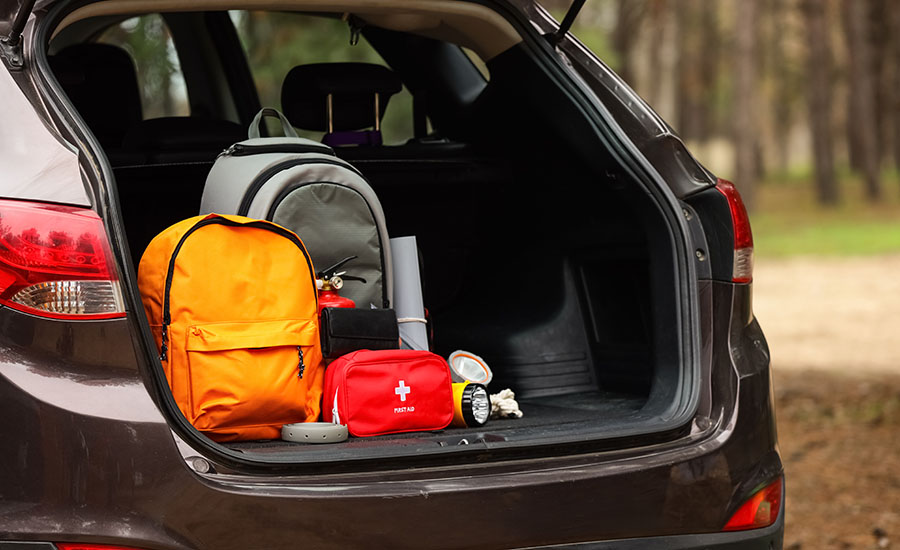
Summer road trip season is in full swing, and whether you are planning an epic adventure or just driving for work, it pays to properly prepare. After all, roadside mishaps can happen any time and anywhere. One minute, you're cruising and singing along to Bruce Springsteen, the next minute, you're dealing with a dead battery, flat tire, road closure, or unexpected breakdown.
You don’t need to prepare for the apocalypse, but a few practical supplies can make a huge difference in comfort, safety, and peace of mind when something goes wrong on the road.
The Basics
Every emergency car kit should include some core essentials to help you handle minor issues safely. Even small inconveniences-like getting lost or getting stuck in traffic-become much more manageable with a little preparation.
Here are some basic items to keep in your emergency car kit:
- Flashlight (with extra batteries)
- Phone charger or portable battery pack
- Jumper cables or a portable jump starter
- First aid kit
- Reflective triangles or road flares
- Tire pressure gauge
- Basic multi-tool
- Bottled water
- Nonperishable snacks
- Blanket or warm layers
- Rain poncho or extra clothing
- Small amount of emergency cash
Your emergency car kit should also reflect your climate and driving habits. In Oregon, that may mean adding an ice scraper, snow chains, and waterproof gear. During summer months, add extra water, sunscreen, and sun protection (like hats and a UV umbrella) in the car-especially if you travel through rural or high-temperature areas.
Once your kit is assembled, check it regularly, because an emergency kit only works if the supplies inside are still usable. So, every few months, replace expired snacks, batteries, and first aid items, and check your water bottles for leaks or damage. Test any portable chargers and flashlights, and make sure your seasonal supplies still make sense for the weather. Revisit and restock your kit before road trips or periods of severe weather.
Be Prepared for Tire Emergencies
According to AAA, flat tires are the most common reason for roadside assistance calls. So, regularly inspect your tires (and the spare) for cracks, damage, and proper inflation. While you’re at it, check the tread depth by using the classic penny test. Place a Lincoln head penny upside down into a tread groove. If the tread doesn’t cover the top of Lincoln’s head, your tires may have less than 2/32 inch of tread remaining—the minimum legal tread depth in Oregon and many other states.
At all times, but especially before long trips, make sure your vehicle also includes a functional spare tire, a jack and lug wrench, tire sealant or a portable air compressor, and gloves for managing repairs.
And, if you've never changed a tire before, now is a good time to learn. In an emergency, it's much easier to handle the situation if you already know where your tools are stored and how they work.
Important Documents to Keep in Your Vehicle
Beyond tools and supplies, there are a few important pieces of information every driver should keep accessible, including:
- Vehicle registration
- Proof of insurance
- Emergency contact numbers
- Roadside assistance information
If you have this information stored digitally, it's still a good idea to keep physical copies that you can access quickly in an emergency. A dead phone battery, poor cell service, or a damaged device can make it difficult to retrieve important contact information, insurance details, or emergency phone numbers when you need them most.
It's also worth mentioning that your car is not the safest place to store financial paperwork, passports, Social Security cards, or spare house keys. Whenever possible, keep those items secured at home-or in a bag or wallet you take with you-instead of leaving them in a parked vehicle.
Don’t Forget About Roadside Assistance
Of course, as helpful as an emergency kit is, it doesn’t replace roadside assistance coverage. Programs offered by insurance companies, auto manufacturers, and organizations like AAA can help with towing, lockouts, flat tires, dead batteries, and fuel delivery. Depending on your coverage, roadside assistance may already be included in your insurance policy or vehicle warranty.
If you have roadside assistance coverage, keep the phone number, app, or membership information somewhere easy to access-even if you aren't embarking on a long trip. Despite the name, roadside assistance isn't limited to the side of the road. So, whether you're stuck in a parking lot, gas station, grocery store, workplace, or even your own driveway, help is often just a phone call or app tap away. Think of it like an insurance policy. It's something you hope you never need, but you'll be glad it's there if you do.
Want more road trip tips?
- Check out our guide to choosing the best roadside assistance coverage.
- Get some tips on how to eat, stay, fuel up, and have fun on a budget.
- Learn how to protect your money while traveling with our summer travel safety checklist.