
"Holidaze mess up my brain. Telephone poles look like candy canes. I'm in a hurry, and I'm tellin' you why. Excuse me, I got gifts to buy." - Bob Rivers, "Holidaze"
No matter what you are celebrating, the holiday season is packed with purchases, both big and small. From gifts and groceries to travel and takeout, Americans do a lot of spending between November and January. And, while we're busy swiping, tapping, and traveling, thieves are busy setting traps at ATMs, gas pumps, and even retail checkout terminals in the form of skimmers-and their sneakier, new cousin, the shimmer.
After all, when our spending ramps up, our awareness tends to slip, and we become easier targets. But staying alert while you shop can help you spot those suspicious skimming tools (and make it harder for criminals to steal your card data).
Skimmers vs. Shimmers: What’s the Difference?
A card skimmer is a small device attached to a card reader that steals data from your card’s magnetic stripe when you swipe. Thieves often pair it with a hidden camera or fake keypad to capture your PIN.
A card shimmer works a little differently. It's a paper-thin chip that slides inside the card reader slot and targets chip-enabled cards. Because it's nearly invisible, shimmers are harder to detect-but they can still capture enough data for criminals to clone your card or make fraudulent online purchases.
Where You Might Find Them
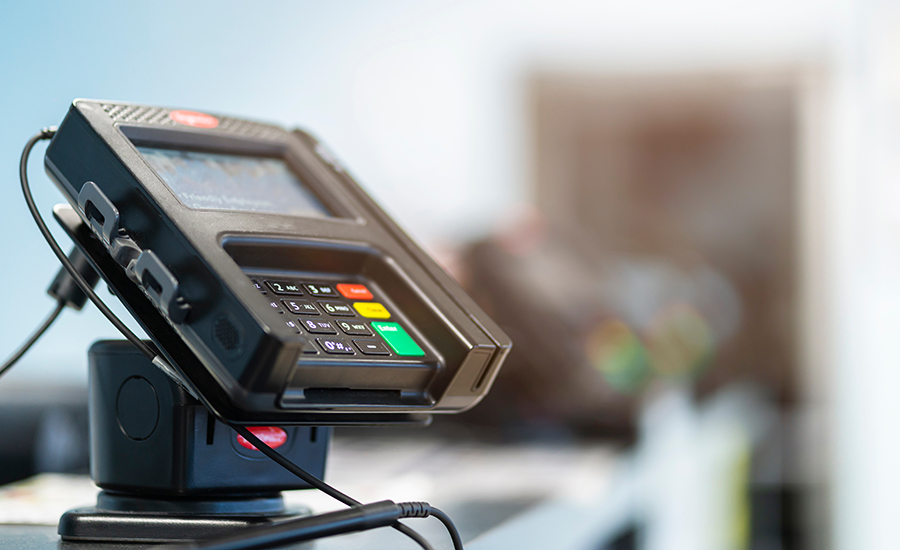
Skimmers and shimmers tend to show up where thieves can tamper with machines without being noticed—like gas station pumps (especially those farthest from the attendant), outdoor or standalone ATMs, ticket kiosks, and parking meters. They are also commonly found at unattended point-of-sale terminals at grocery stores, small retail markets, and even big-box retailers.
How to Spot a Skimmer or Shimmer
You don't need to be a tech expert to notice when something's off. Before you insert or tap your card:
1. Inspect the reader. If the card slot, keypad, or cover looks bulky, loose, or mismatched in color, don’t use it.
2. Tug on the card reader. A real reader is solidly attached; a fake one may move or pop off.
3. Check for hidden cameras. Look for small holes or attachments near the keypad—especially near where you enter your PIN.
4. Use contactless payment if possible. Tap-to-pay and mobile wallets like Apple Pay or Google Pay use encrypted transactions that can’t be skimmed.
Key Habits To Keep You Safe
A few simple habits can dramatically lower your risk:
- Use ATMs inside branches or well-lit areas. Criminals are less likely to tamper with machines in high-traffic or monitored spaces.
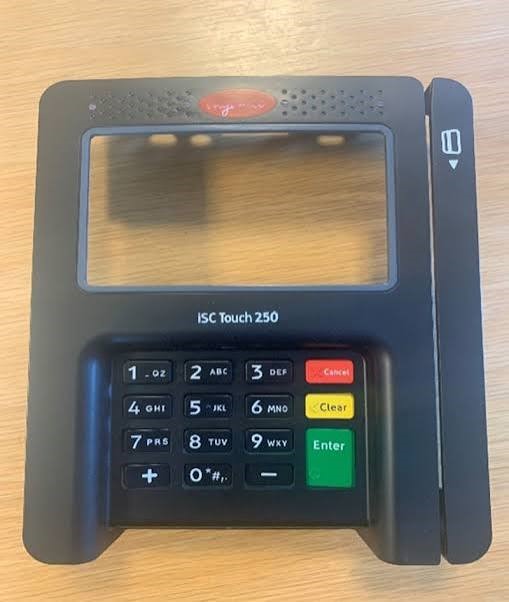
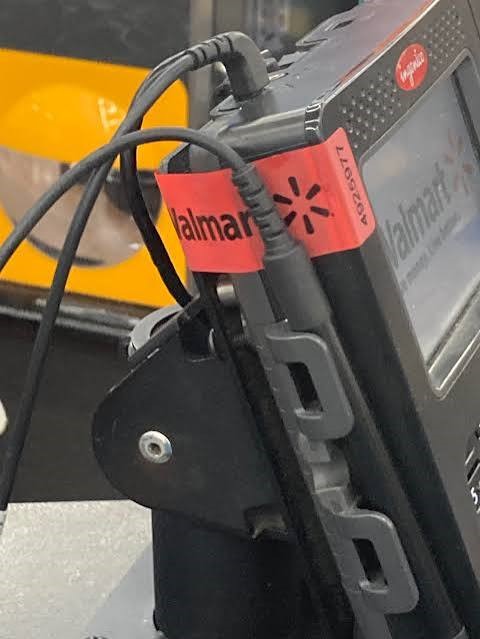
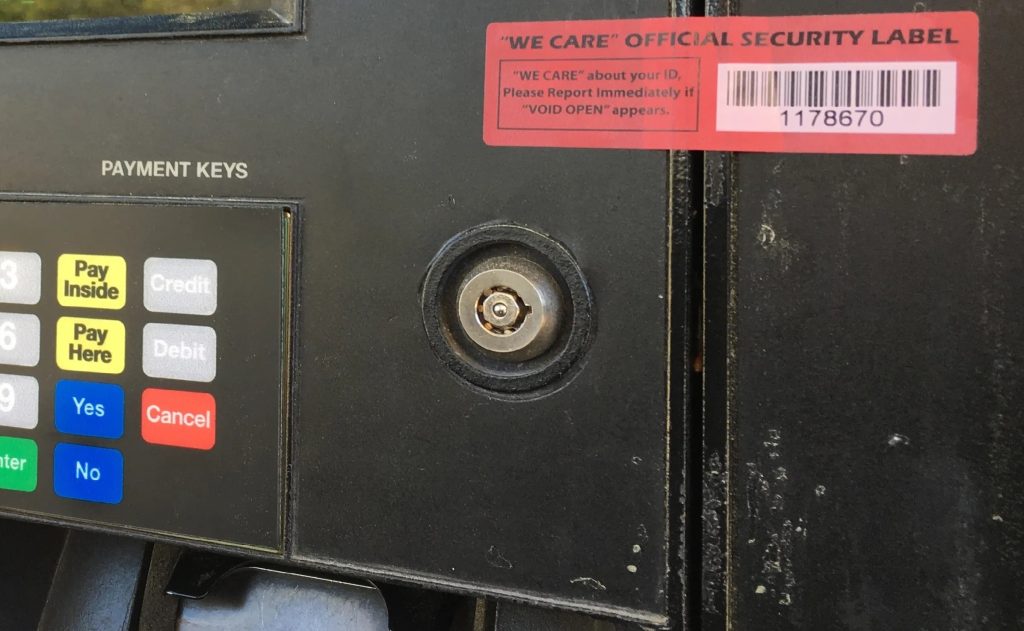
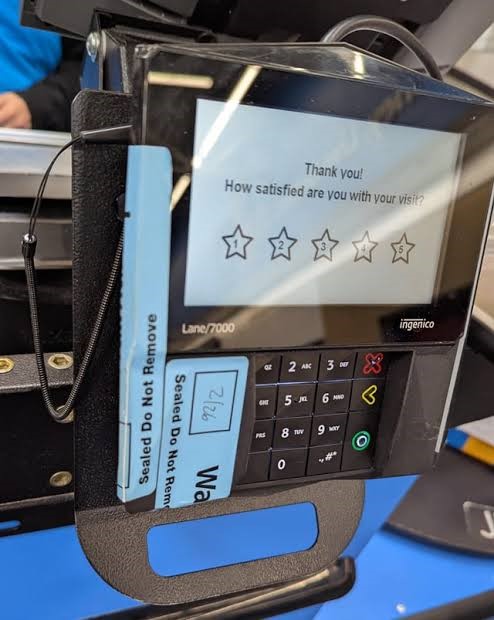
- Look for POS stations with tamper-resistant security tape and anti-skimming rims (see images below).
- Cover your PIN. Always shield the keypad when you enter it.
- Monitor your accounts often. Check your balances and set up alerts in online or mobile banking so you'll catch suspicious activity early.
- Stick to credit when possible. Credit cards offer stronger fraud protection than debit cards, which directly access your funds.
- Report anything suspicious. If a machine looks odd, notify the retailer. If you notice strange charges, contact your card issuer right away and notify the retailer where you used your card.
A Final Note for Travelers
If you're hitting the road (or the skies) this season, keep your card safety habits consistent. Avoid using unfamiliar ATMs, especially those in convenience stores or hotel lobbies. Bring a backup card in case one needs to be frozen, and make sure your financial institution has your current contact information for fraud alerts. Also, consider using RFID-blocking wallets or sleeves to protect cards with contactless chips from electronic theft.
Skimmers and shimmers are getting more sophisticated, but staying alert and using secure payment methods can help you shop—and travel—without worry. By keeping an eye out for suspicious devices, covering your PIN, and monitoring your accounts, you can enjoy the season with less stress about fraud. And if you ever notice anything unusual or have questions about your card security, don’t hesitate to reach out to us—our team is here to help you stay safe while you spend.
Want more safe spending tips?
- Learn how to stay safe while shopping online.
- Find out how to protect yourself against gift card scams.
- Get the details on brushing scams and learn what to do if you receive a package you didn’t order.