
Writing a check to a local charity or collecting donations for a good cause are great ways businesses can give back to their communities-but they're not the only ways. For small businesses juggling tight budgets and limited time, traditional charitable giving isn't always feasible.
Fortunately, supporting your community doesn't have to mean making a financial contribution. There are a ton of options for small businesses that want to give back.
And giving back can benefit your business, too. Research suggests that customers favor businesses that support charitable causes, particularly when those efforts benefit their local communities.1 Giving back can strengthen relationships, build goodwill, and give customers yet another reason to support your business.
Hire and Buy Locally
Doing business locally helps keep money in a community and grows the local economy. It’s not always possible and might take some extra effort, but being part of a vibrant local economy is a crucial way for businesses to support the people around them.2 3 If your neighbors are benefiting from your day-to-day presence, you’re off to a great start.
Volunteer
Charitable causes almost always need extra hands to make their good work happen. Employees showing up to put in a day's work (or more) for a local cause can be immensely valuable and can also serve as an effective team-building event.
For example, Maps Credit Union gives every employee 24 hours of paid volunteer time annually to support causes they care about. Your business may not be able to offer that much time, but even a few paid volunteer hours or an occasional team volunteer day can make a meaningful difference.
Provide Pro Bono Work
Pro bono (which comes from the Latin phrase “pro bono publico,” meaning “for the public good”) work is like volunteering that puts your professional skills and expertise to use for a good cause.
This is very common for lawyers, who often dedicate a certain number of hours each year to providing free legal services. But any business that provides a service can do it. If you build websites, consider making one for a nonprofit. If you're a brand consultant, you could help a charitable organization develop its marketing materials or messaging.
Keep in mind that the value of your time and services on pro bono work is not tax deductible, although certain expenses associated with providing those services may qualify.4 But contributing your professional expertise can be an especially valuable way to support an organization that might otherwise struggle to afford it.
Donate Goods
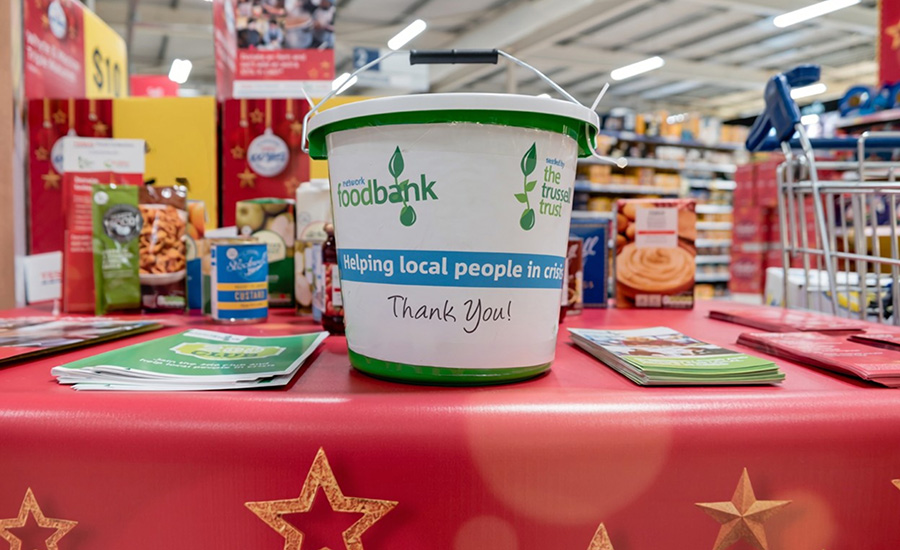
Donations don't have to be in cash. If your business sells products, consider supporting a local cause by donating goods instead. This can be especially advantageous if you have excess inventory you'd like to put to good use. If you're a bakery, for example, you might donate surplus baked goods to a local food pantry or meal program. If you sell clothing or bedding, donating unsold merchandise to shelters can make a meaningful difference.
Depending on the circumstances, donated goods may also qualify for a charitable tax deduction. Special rules apply to donations of business inventory, including certain food products.4 5 Consult a qualified tax professional to understand which donations may be deductible and what records you’ll need to keep.
Do Cause-Related Promotions
Cause-related promotions are another great way to get customers in the door, raise awareness of a cause you support, and make a difference. You might donate the proceeds from a particular product or designate a percentage of sales from a specific day to benefit a local nonprofit.
For example, in October 2026, several businesses in Portland’s Woodstock neighborhood introduced special menu items to support the Save Our Schools (S.O.S.) campaign.6 Cloud City Ice Cream renamed a flavor “S.O.S. Dough Not Close Lewis,” Double Mountain Brewery introduced an S.O.S. pizza, and Ate-Oh-Ate Grill offered an S.O.S. teriyaki chicken special. The promotions raised awareness about proposed closures of neighborhood schools.
Whether you’re raising money or drawing attention to an issue, make sure customers understand how their purchases support the cause.
Sponsor Local Organizations
Businesses can support their communities by sponsoring a wide variety of organizations and activities. Local charities, schools, youth sports teams, arts programs, and community events or spaces can all benefit from sponsorships. In return, businesses may receive recognition through event materials, signage, or other promotions.
Sponsorships can provide valuable financial support to local organizations while helping businesses build relationships and become more visible in the communities they serve. And, depending on the organization's needs, sponsorships might also involve donating food, products, services, or space rather than money.
The Benefits of Staying Engaged
By staying engaged with local causes and organizations, businesses become an important part of their communities. They become neighbors and trusted friends as well as vendors and service providers. Over time, those relationships can build familiarity, trust, and goodwill among the people they serve.
There's real value in being known as a business that shows up for its neighbors. And while marketing and advertising can help people recognize your name, genuine community involvement gives them a reason to remember it.
- Rahman, F., & Norman, R. T. (2016). The effect of firm scale and CSR geographical scope of impact on consumers’ response. Journal of Retailing and Consumer Services, 28, 189–198. ↩︎
- Expert Panel for Councils Member for Forbes Business Council (2024, July) 14 Genuine Ways SMEs Can Give Back To Their Communities, Forbes ↩︎
- Chriss, Alex (2017, November) 3 Ways Small Businesses Can Give Back Without Breaking the Bank, Inc. ↩︎
- Internal Revenue Service. (2025). Publication 526: Charitable contributions. U.S. Department of the Treasury. ↩︎
- irs.gov (2025, December). Publication 561 Determining the Value of Donated Property, Internal Revenue Service ↩︎
- Saslow, R. (2026, October 29). Woodstock businesses run ‘S.O.S. Save Our Schools’ specials in protest of closures. Willamette Week. ↩︎