
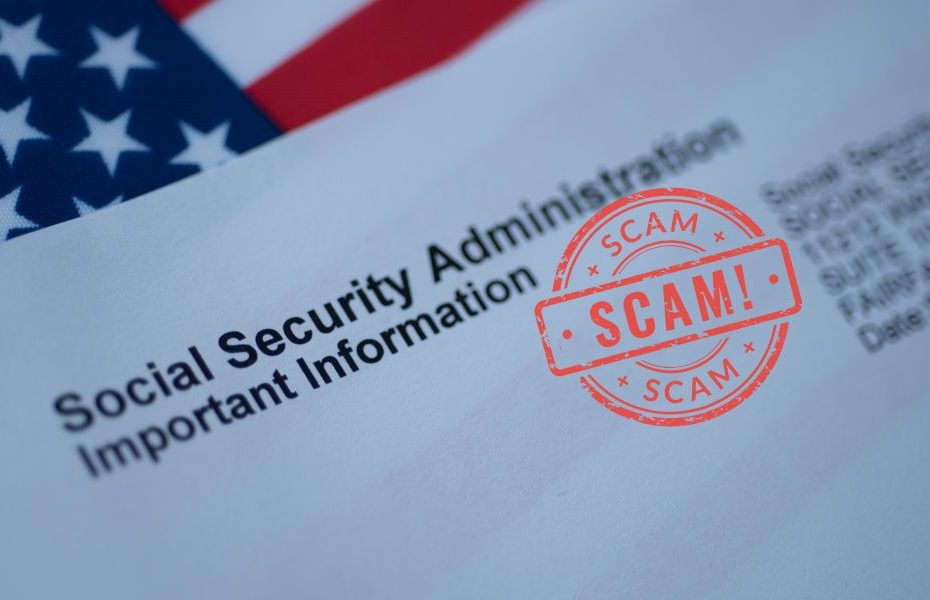
Slam the Scam Day is a national awareness initiative led by the Social Security Administration (SSA) and its Office of the Inspector General (OIG) to help people spot, avoid, and report government imposter scams, which are among the most persistent forms of fraud. Scammers often pose as federal agencies—especially the Social Security Administration—to pressure people into sharing personal information or sending money.
Staying informed about these tactics is one of the best ways to protect yourself, so the 7th annual National Slam the Scam Day, which takes place on March 5 as part of National Consumer Protection Week (March 1–7), is a coordinated effort to educate the public about deceptive schemes targeting individuals and their personal information.
Signs of a Scam
Scammers impersonating the SSA (or other government employees) use a variety of tactics to trick people into giving up personal information or money. These scammers often play upon their victim's fear by claiming a crisis linked to their Social Security number. They escalate the warning by threatening legal action or arrest if payment isn't provided. Fortunately, the SSA has offered tips to help us protect ourselves from fraudulent calls, emails, letters, texts, or messages on social media.
To spot a scam quickly, remember these 4 Ps:
- Pretend—Scammers pose as trusted agencies or businesses.
- Problem or Prize—They claim there’s an urgent issue or offer a benefit increase.
- Pressure—They push you to act immediately.
- Payment—They demand payment through gift cards, cryptocurrency, wire transfer, gold bars, or cash by mail.
Remember, real government officials will NEVER:
- Threaten you with arrest or legal action if you don’t send money.
- Promise to increase benefits or fix a problem in exchange for payment.
- Demand payment via gift cards, prepaid cards, wire transfer, cryptocurrency, or cash by mail.
- Pressure you to act immediately or keep the contact secret.
- Use fake documents or the name of a real employee to gain your trust.
- Threaten to seize your bank account.
- Offer to move your money to a “protected” bank account.
Time to Slam the Scam!
According to SSA's OIG, fraudsters continue to use diverse channels-including calls, texts, emails, social media messages, and even physical mail-to reach potential victims. As scammers adopt more sophisticated and varied tactics, staying informed is essential.
"All scams-especially imitations of the Social Security Administration-put Americans at risk,' said Commissioner Frank J. Bisignano. "National Slam the Scam Day is a vitally important effort in confronting the fraudsters who viciously target America's seniors and most vulnerable. I encourage all Americans to remain vigilant, today and every day, as we work to spread awareness about the danger of scams."
If you receive a suspicious call from someone claiming to be from a government agency, hang up the phone. Then, contact the agency directly using a verified phone number or official website. Likewise, if you receive a text, letter, email, or social media message from someone threatening legal action, treat it with suspicion. Do not respond with personal or financial information. Then, report the scam to your financial institution, the state, and the SSA Office of the Inspector General.
For updated scam alerts and printable materials to help spread awareness, visit ssa.gov/scam—SSA’s official resource hub dedicated to fraud prevention, or check out our Security Library.
Additional Tips for Staying Safe
Scam trends evolve, but the basics stay the same:
- Be skeptical of unsolicited urgent contacts.
- Never pay or provide personal information to end a “problem.”
- Consider talking to someone you trust if a message causes strong emotion—scammers rely on that reaction.
- Spread awareness by sharing resources with friends and family.